
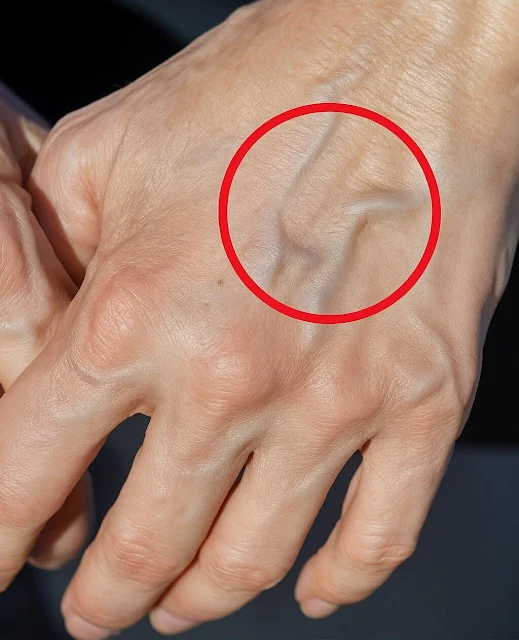
The New Vein Checklist (What to Tell Your Doctor)
If you’re worried about a new vein, your doctor will ask these questions. Answer them before your appointment.
Location: Where exactly is the vein? One leg or both? One arm or both? Chest, abdomen, face?
Appearance: Is it flat or raised? Straight or twisted? Blue, purple, red, or flesh-colored?
Symptoms: Does it hurt? Itch? Burn? Is there swelling, warmth, or redness around it?
Onset: Did it appear suddenly (hours or days) or gradually (weeks or months)?
Risk factors: Have you had recent surgery, long travel, pregnancy, or injury? Do you have a family history of blood clots or vein disease?
Other symptoms: Shortness of breath? Leg swelling? Chest pain? Skin changes?
Simple Things You Can Do at Home (For Non-Emergency Veins)
If your new veins are not accompanied by red-flag symptoms, try these gentle interventions.
Elevate your legs: For leg veins, prop your feet up above heart level for 15-20 minutes, 2-3 times a day.
Wear compression stockings: Over-the-counter 15-20 mmHg graduated compression stockings can help with symptoms of varicose veins and spider veins.
Move regularly: Walking activates your calf muscles, which pump blood upward toward your heart.
Stay hydrated: Proper hydration supports healthy blood volume and vein function.
Moisturize: Thinner skin shows veins more. Moisturizing doesn’t “fix” the veins, but it can make the skin look healthier.
Avoid prolonged standing or sitting: If you have a desk job, stand and walk every hour. If you stand for work, sit and elevate when you can.
The Bottom Line (A Calm, Honest Summary)
Most new visible veins are nothing to worry about. They’re the result of aging, genetics, weight changes, pregnancy, or simply living in a body that changes over time.
But sometimes, new veins are a signal.
Seek medical attention if:
A vein appears suddenly, is bulging, and is accompanied by pain and swelling in ONE leg (possible DVT)
A vein appears on your chest or abdomen along with swelling of your face, neck, or arms (possible SVCS)
A vein bleeds or the skin over it breaks down (possible ulcer)
Mention it at your next checkup if:
New varicose veins cause you discomfort
Spider veins appear suddenly and in large numbers
You have a family history of vein disease and you’re noticing changes
You can probably stop worrying if:
The vein is flat, painless, and appeared gradually
You know a likely cause (weight loss, pregnancy, aging, exercise)
You have visible veins elsewhere on your body
Your veins are not hiding secrets from you. They’re just doing their job – carrying blood back to your heart. Most of the time, when you notice a new one, it’s not a warning. It’s just a reminder that you’re alive, changing, and beautifully human.
Now I’d love to hear from you. Have you ever noticed a new vein that worried you? Did it turn out to be nothing? What did your doctor say? Drop a comment below – your story might help someone else stop worrying.
And if this guide helped you understand your veins better, please share it with a friend who’s been staring at their hands with suspicion. A text, a link, a conversation. Sometimes reassurance is the best medicine.
Now go look at your leg. That vein is probably fine. 💙🩸
ADVERTISEMENT
