
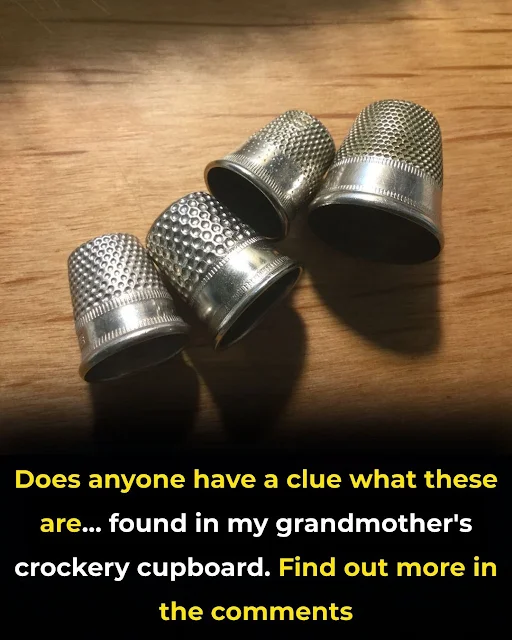
This is the era when thimbles truly came into their own.
The Dutch Golden Age: In the 17th century, Dutch metalworkers perfected the art of thimble making. They developed techniques for producing thimbles with fine, regular dimples—known as “knurling”—and began adding decorative bands and inscriptions.
The English thimble industry: In the 18th and 19th centuries, England became the center of thimble production. Companies like Charles Horner (makers of the iconic Dorcas thimble) and James Swann (whose name appears on millions of thimbles) dominated the market.
Materials expanded: While brass and bronze remained common, thimbles were also made of silver, gold, and even porcelain. Silver thimbles were popular as gifts, often engraved with initials, dates, or sentimental messages.
The “Dorcas” thimble: One of the most famous thimbles ever produced, the Dorcas thimble (named after a biblical figure known for her charity and sewing) was made by Charles Horner. It featured a steel rim (to prevent needle slippage) and a brass or silver body. These thimbles were treasured and passed down through generations.
Thimbles as advertising: In the 19th century, businesses began using thimbles as promotional items. Insurance companies, banks, and even patent medicine makers printed their names on thimbles and gave them away to customers. These advertising thimbles are now highly collectible.
Thimbles as Sentimental Keepsakes (Why They Were Treasured)
Thimbles were never just tools.
Gifts of love and friendship: A thimble was a common gift between women—mothers to daughters, friends to friends. It said, “I know you sew. I know you work hard. I want to make that work a little easier.”
Courtship thimbles: Young men sometimes gave thimbles to their sweethearts. A thimble was more practical than jewelry, more personal than a trinket. In some traditions, a thimble given during courtship would be used to sew the bride’s trousseau.
Souvenir thimbles (the “porcelain” thimbles of the 20th century): Starting in the late 19th century, porcelain thimbles painted with scenes of cities, landmarks, and tourist sites became popular. Travelers would buy them as souvenirs, and they remain a favorite collectible to this day.
The thimble in World War I and II: During both world wars, metal was scarce. Thimbles were made from alternative materials—aluminum, celluloid, even glass. Women on the home front treasured their thimbles as essential tools for mending and making do. Thimbles were also sent in care packages to soldiers, who used them to sew on patches and mend uniforms.
The Thimble in Pop Culture and Games
You may know the thimble even if you’ve never held one.
The Monopoly thimble: For generations, the thimble was one of the classic tokens in the board game Monopoly. It represented domestic life, hard work, and perhaps a bit of nostalgia for the “old days” of hand-sewing. In 2017, Hasbro retired the thimble (along with the boot and wheelbarrow) in favor of newer tokens. Public outcry led to its return in the “Golden Token” edition.
Thimbles in literature: Thimbles appear in Beatrix Potter’s The Tailor of Gloucester (the tailor leaves a thimble on a bench as payment for the mice who sewed his coat) and in countless other stories of seamstresses, tailors, and “women’s work.”
The “thimble” in language: We still say “thimbleful” to mean a tiny amount—a reference to the small capacity of a thimble (about a teaspoon). “Thimblerigging” is an old term for a shell game (using thimbles instead of shells).
Collecting Thimbles: A Guide for Beginners
Thimble collecting is a niche hobby, but it’s deeply satisfying.
Types of thimbles collectors seek:
Antique silver or brass thimbles (especially those with hallmarks or maker’s marks)
Dorcas thimbles (by Charles Horner – highly collectible)
Souvenir thimbles (porcelain or enamel, especially pre-WWII)
Advertising thimbles (businesses, events, exhibitions)
Royal commemorative thimbles (coronations, weddings, jubilees)
Figural thimbles (shaped like animals, people, or objects – usually novelty, but collectible)
What to look for in a collectible thimble:
Condition: No cracks, dents, or missing enamel. Original patina is desirable.
Rarity: Limited runs, unusual materials, or rare maker’s marks.
Age: Generally, older thimbles are more valuable (though some modern limited editions are also sought after).
Provenance: A thimble with a known history (owned by a notable person, given as a gift under special circumstances) can be worth significantly more.
Hallmarks and maker’s marks: English silver thimbles have date letters and city marks. Learn to read them.
Where to find collectible thimbles:
Antique shops and flea markets
Estate sales (look in sewing baskets)
Online auction sites (eBay, Etsy)
Thimble collector clubs and conventions
Resources for thimble collectors:
The Thimble Society (UK-based)
The Fingerhut Museum (Creglingen, Germany – a museum dedicated entirely to thimbles)
Online forums and Facebook groups
Caring for Your Thimbles
See more on the next page to continue reading →
ADVERTISEMENT
