
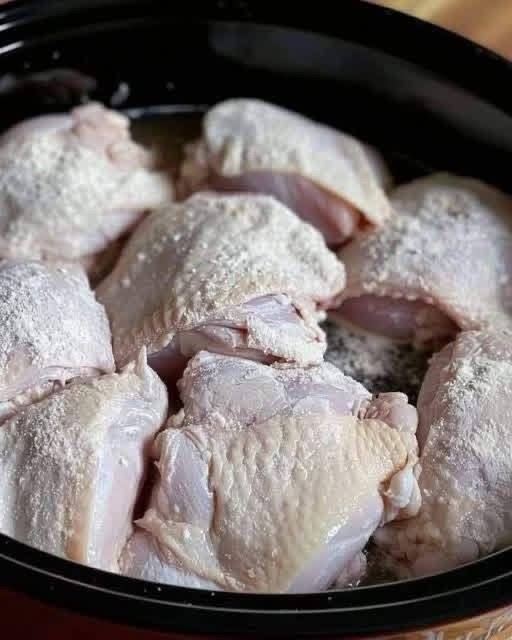
Another crucial tip is to start with a hot skillet. A heavy-bottomed pan, particularly cast iron, is ideal because it retains heat exceptionally well and distributes it evenly, promoting a consistent sear. Allow your skillet to preheat for a good few minutes before adding oil, and then allow the oil to heat up until shimmering. When placing the chicken skin-side down, resist the urge to move it for the first 8-12 minutes. This undisturbed cooking time allows the fat to render and the skin to develop a solid, crispy crust. Flipping too early or too often will prevent this crust from forming properly.
For variations, consider experimenting with the seasoning blend. Instead of smoked paprika, try regular paprika, or add a pinch of chili powder for a spicier kick. Italian seasoning, dried oregano, or thyme can also be incorporated into the flour mixture for an herbaceous twist. You can also add other aromatics to the pan alongside the rosemary and garlic, such as thinly sliced lemon rounds or a few sprigs of fresh thyme. If you enjoy a bit of sweetness and tang, whisk a tablespoon of honey or maple syrup with a splash of apple cider vinegar and brush it onto the chicken during the last few minutes of cooking on the second side for a delicious glaze. For a creamy pan sauce, after removing the chicken, deglaze the pan with 1/2 cup of chicken broth or white wine, scraping up any browned bits. Whisk in a tablespoon of heavy cream or a pat of butter, let it simmer until slightly thickened, and pour it over the chicken before serving.
Storage and Reheating
Leftover Crispy Skillet Chicken can be a delicious treat, but maintaining its crispiness requires a bit of care. Once the chicken has cooled completely, store it in an airtight container in the refrigerator for up to 3-4 days. It’s best to separate the chicken pieces with parchment paper if stacking to prevent them from sticking together and to help preserve the skin’s texture.
Reheating is where the magic happens, or can be lost. To best revive the crispiness, avoid the microwave, as it will make the skin soggy. The best method for reheating is in an oven or an air fryer. Preheat your oven to 375°F (190°C). Place the chicken thighs on a wire rack set over a baking sheet to allow air circulation around the skin. Reheat for 15-20 minutes, or until thoroughly heated through and the skin has re-crisped. If using an air fryer, preheat it to 375°F (190°C) and reheat for 8-12 minutes, flipping halfway through, until hot and crispy. The goal is to heat it quickly and evenly without drying it out, allowing the skin to become crunchy again. You can also reheat it in a dry skillet over medium heat, skin-side down first, for about 5-7 minutes per side, but watch carefully to prevent burning.
Frequently Asked Questions
Why is my chicken skin not getting crispy?
There are several common culprits for non-crispy chicken skin. The most frequent reason is not thoroughly patting the chicken dry before cooking. Any moisture on the skin will create steam, preventing it from browning and crisping. Another reason is overcrowding the skillet, which lowers the pan temperature and also leads to steaming. Ensure you cook in batches if necessary. Finally, not allowing enough undisturbed cooking time on the skin side (at least 8-12 minutes on medium heat) will also prevent the fat from rendering and the skin from becoming truly crispy.
Can I use boneless, skinless chicken thighs for this recipe?
While you can certainly cook boneless, skinless chicken thighs in a skillet, this particular recipe is designed to maximize the crispiness of the skin and the flavor from the bone. Boneless, skinless thighs will cook much faster (around 5-7 minutes per side) and will not develop the same crispy exterior. If using them, you’ll still get a delicious pan-fried chicken, but the texture will be different. You might want to adjust the coating to include breadcrumbs for added texture.
What kind of skillet is best for crispy chicken?
A heavy-bottomed skillet is best for achieving crispy chicken because it retains and distributes heat more evenly. Cast iron skillets are often considered the gold standard for this type of cooking due to their excellent heat retention properties, which help create a consistent, deep sear and crispy crust. Stainless steel skillets can also work very well, but avoid thin, lightweight pans as they can lead to uneven cooking and burning.
Can I prepare the chicken ahead of time?
You can prepare some components of the chicken ahead of time, but it’s best to cook it fresh for optimal crispiness. You can mix the dry seasoning blend a few days in advance. You can also dredge the chicken in the seasoned flour up to 30 minutes before cooking and let it sit on a wire rack uncovered in the refrigerator. This allows the coating to adhere better and can even contribute to a slightly crispier skin. However, avoid dredging it too far in advance (e.g., overnight) as the moisture from the chicken will eventually seep into the flour, making it soggy.
ADVERTISEMENT
